What is Osteopathy

What is Osteopathy

Osteopathy is a person-centred approach that strives to provide the optimum conditions for health by working with your body’s own healing mechanisms to achieve results.

It is based on the principle that the way your body moves influences how it functions and that the body has its own self-healing and regulatory mechanisms. So an osteopath aims to restore the functional relationship between bones, muscles, joints, internal organs (viscera) and the nervous system.

Osteopaths use a wide range of gentle hands on techniques to reduce pain and restore function in your body. Treatment varies depending on your age, fitness and diagnosis, but often focuses on releasing tension, stretching muscles and mobilising joints.

Get in touch

What it can affect

Osteopathy being an approach that works with the body’s abilities can be helpful with a wide range of conditions. Conditions such as :

  • Generalised aches and pains
  • Joint pains including hip and knee pain from osteoarthritis
  • Achilles tendonitis
  • Plantar fascia
  • Arthritic pain
  • Rheumatic pain
  • Uncomplicated mechanical neck pain
  • Jaw problems
  • Headache arising from the neck & migraine prevention
  • Frozen shoulder
  • Tennis elbow
  • Lumbago
  • Acute & chronic back ache or back pain
  • Sciatica
  • Muscle spasms
  • Neuralgia
  • Fibromyalgia
  • Inability to relax
  • Minor sports injuries and tensions
  • Circulatory problems / Cramp
  • Digestive problems
  • Pregnancy issues

Types of Osteopathic Therapies

Depending on the condition you may receive one of the following specialized treatments.
Cranial Osteopathy

CranioSacral Therapy

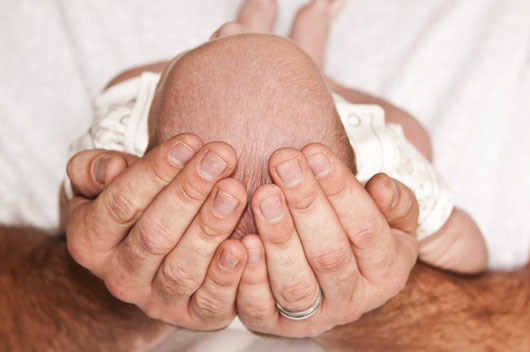
CranioSacral Therapy has many similarities to Cranial Osteopathy. It is a gentle and yet very effective way of providing treatment to the body. It’s the palpation of very precise and subtle oscillations of our tissues. These oscillations are evident in the whole body but are more readily palpated around the central nervous system (brain and spinal cord) and that’s where it takes it’s name from. Being very gentle in its application cranial osteopathy is applicable to all age groups.

CranioSacral Therapy still requires a thorough case history and examination. This is partly to ensure that the patient is not in need of other medical attention.

During treatment CranioSacral work might go unnoticed by the patient or they might feel more relaxed to the extent that they might fall asleep. In other cases the patient may feel minor tensions, or slight aching arising and fading away as well as emotions coming to the surface. In most cases though the patient feels different after getting up.

Visceral Osteopathy

Visceral refers to the internal organs. Our viscera are not solidly fixed inside us but they have a small amount of ‘play’. This motion allows them to move with breathing and to absorb the forces transmitted with walking as well as to perform their function easier, as most of the internal organs require movement, just think about our heart or intestines. When the viscera don’t move as freely as they should, it can have adverse effects to their attachment points through fascia and ligaments that connect them to the body.

In addition to the structural attachments the viscera can have neurological effects on distant parts of the body. One way this can happen is with referred pain (this is the kind of pain that manifests in bodily parts other than the one having the problem). Another way is by affecting the neurological interaction with postural muscles that share neorological origin with particular viscera leading to a persisting secondary structural problem.

Deep Tissue Massage

Deep Tissue Massage is aimed at increasing the circulation of blood around the muscles, break down adhesions and especially to release hyper-contracture of overworked muscles. These may have happened through sports or postural asymmetries or overuse of any kind.

It is similar to massage therapy but the pressure is firmer and deeper in order to get to the inner fibres of the muscles and the fascia (the connective tisue that wraps everything in the body). The massaging strokes are usually slower and more intense, concentrating on the parts of the muscle that need it the most. But several different massage techniques are utilised to also aid drainage and stretch of the muscles as well as trigger point release.

Deep Tissue Massage can be painful for a short period of time but it’s results can be experienced immediately after the treatment.

Trigger point release

A myofascial trigger point ( a.k.a. muscle knots) are parts of soft tissue, most commonly muscle, which becomes overly sensitised and thus painful. Most common causes of trigger points are over-use, incorrect use of the muscle and poor posture which alters the line of action of the muscle putting extra strain on certain parts of the muscle.

Dry Needling

Dry needling is the insertion of solid needles (non injecting) into painful parts of the body to relieve pain. Through the use of the tiny needles the body is reprogrammed to let go of the pain associated with a certain area of the body. It can also be used on muscles that are overworked and producing pain to help them relax and desensitise.

This might be very beneficial when used with other manual therapies such as osteopathy, especially in an acute setting.

Dry needling is an independent therapy, different from traditional acupuncture, and can be used on its own.

During the treatment the patient might feel slight aching, or pinching that dissipates quickly.

On rare occasions there may be a small amount of blood accumulating under the skin due to the rupture of one of the tiny capillaries of the skin or a small bruise might appear. These are completely harmless and will disappear a few days after the treatment.

How can we help?

Contact Form

Have a question or want to book?

We'd love to hear from you, and see how we can help.

Phone:

01752 223 518

Email:

kate.cityosteo@gmail.com

Address:

4 The Crescent
Lower Ground Flour
PL1 3AB
Plymouth